Why Room-Specific Scents Matter
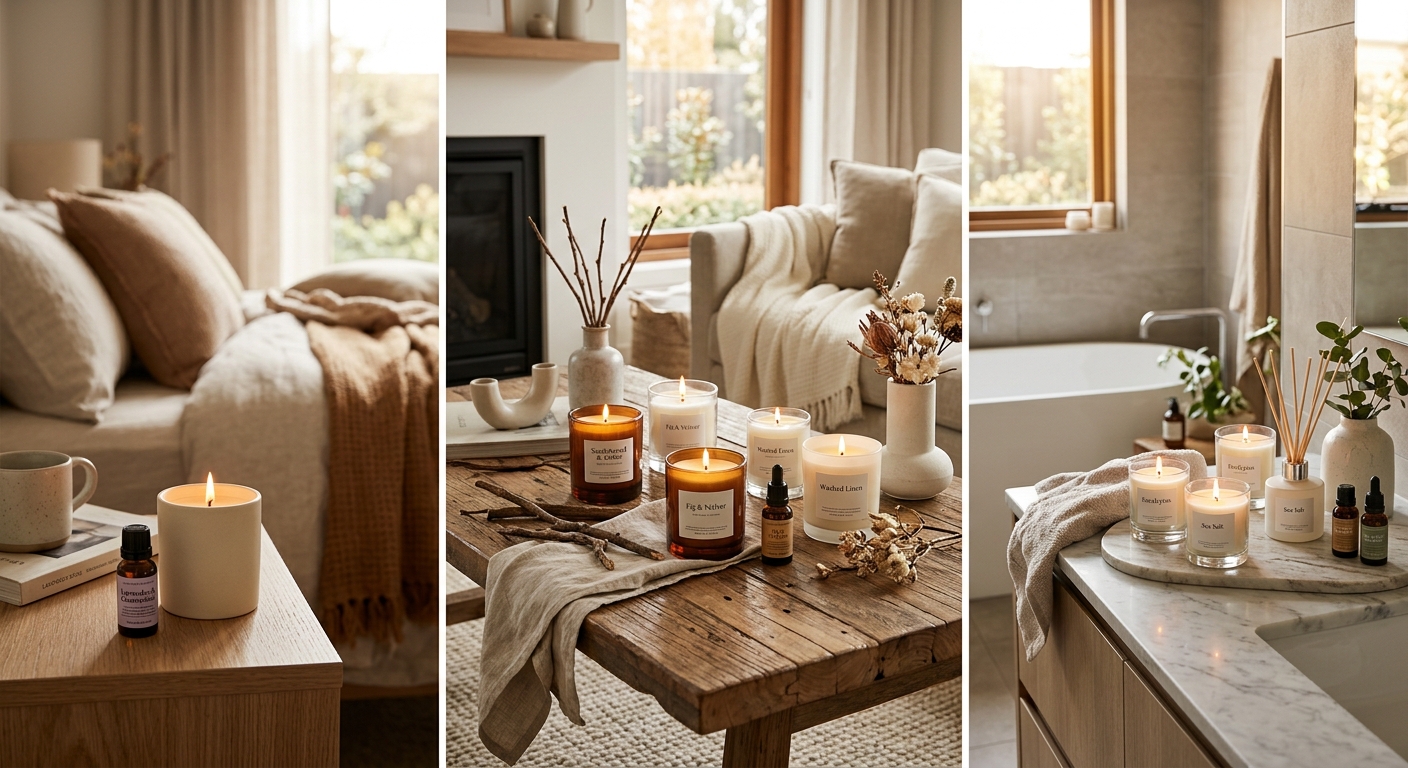
Your home is a collection of spaces, each with its own purpose and mood. The scent you choose for your bedroom should be very different from what you burn in your kitchen or home office. Matching fragrance to function creates a more intentional, harmonious living environment.
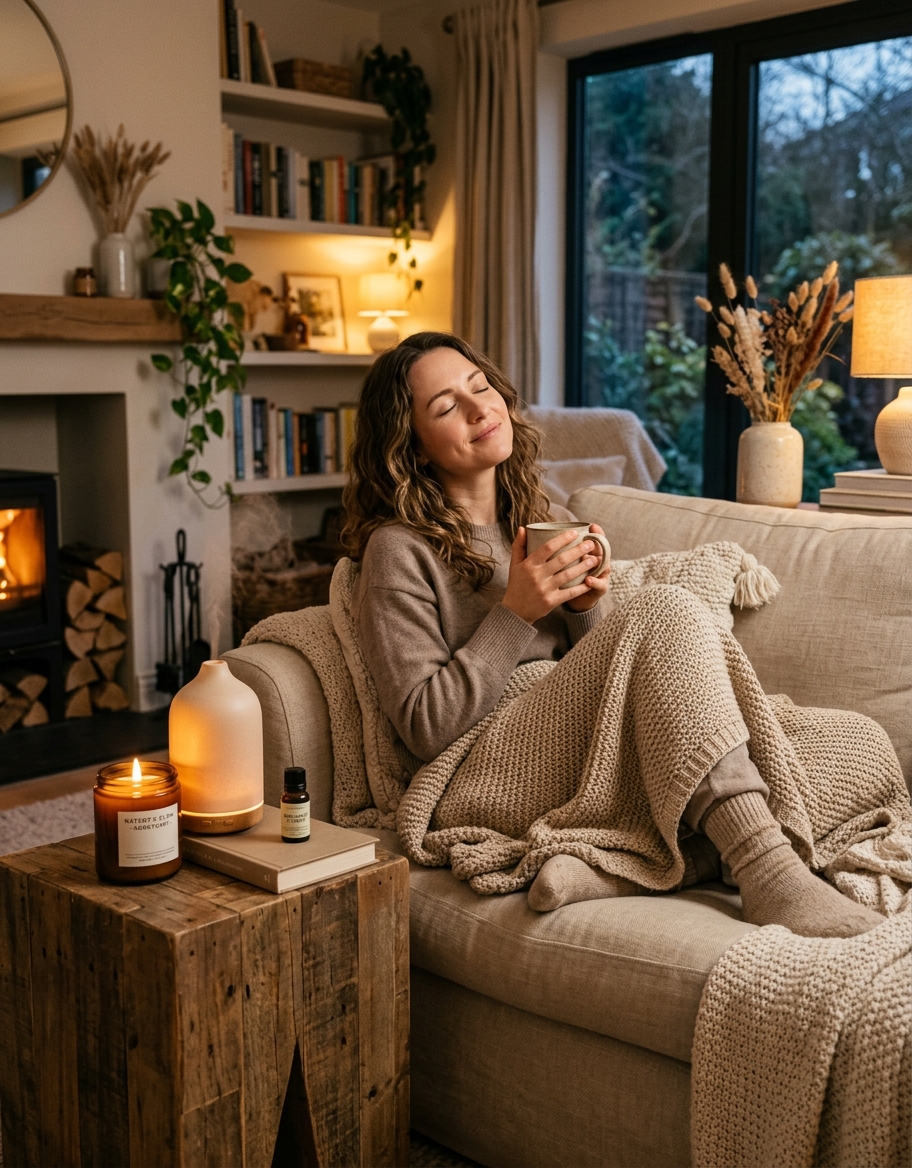
Living Room: Warm and Welcoming
Your living room is where you entertain guests and unwind with family. Choose scents that are warm, inviting, and not overpowering. Sandalwood, patchouli, and vanilla create a cozy atmosphere that makes people want to stay. Avoid overly floral or sharp citrus scents here — they can feel too energetic for a relaxation space.
Recommended: Sandalwood patchouli candles, warm amber diffuser blends, or a wood-wick candle for the soothing crackle sound.
Kitchen: Fresh and Clean
The kitchen is where food smells dominate, so your fragrance choice should complement rather than compete. Citrus scents — lemon, sweet orange, and grapefruit — cut through cooking odors and create a clean, fresh atmosphere. Herbal scents like rosemary and basil also work well in kitchens.
Recommended: Citrus ginger candles, lemon essential oil in a diffuser, or a waterless diffuser with sweet orange oil.
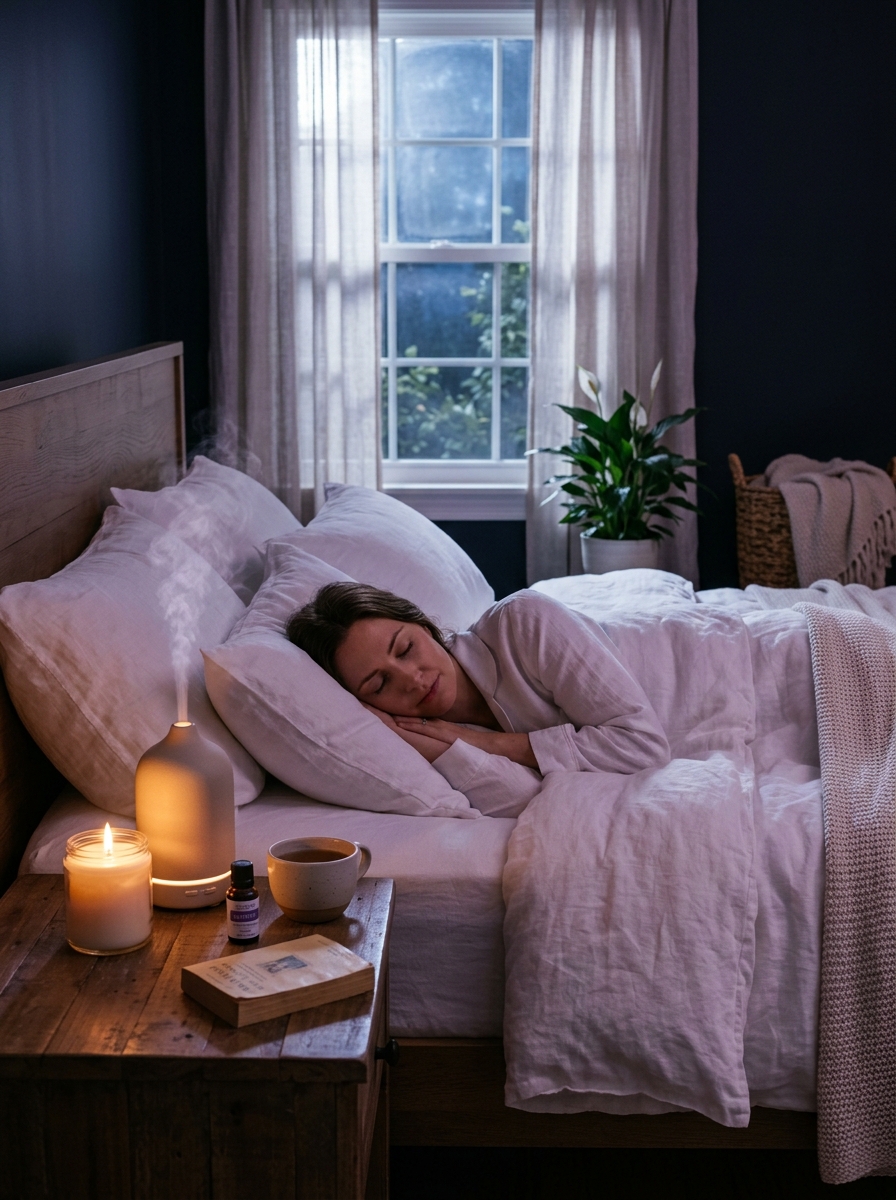
Bedroom: Calm and Restful
Your bedroom should be a sanctuary for sleep. Choose scents that promote relaxation and reduce anxiety. Lavender is the gold standard for sleep — it's been studied extensively and shown to improve sleep quality. Vanilla, chamomile, and cedarwood are also excellent choices.
Recommended: Lavender vanilla candles, a calming sleep essential oil blend in your diffuser, or frankincense for a deeper, more grounding scent.
Bathroom: Spa-Like and Purifying
Your bathroom benefits from clean, purifying scents that mask moisture and create a spa-like experience. Eucalyptus and tea tree oils have antimicrobial properties that purify the air. Peppermint provides a refreshing burst of energy for morning showers.
Recommended: Eucalyptus essential oil in a shower diffuser, tea tree and peppermint blends, or a small ceramic diffuser on the counter.
Home Office: Focus and Energy
When you need to concentrate, choose scents that stimulate the mind without causing headaches. Peppermint improves alertness and memory. Rosemary enhances cognitive performance. Lemon boosts mood and energy. Avoid heavy, seductive scents like vanilla or sandalwood — they'll make you want to nap, not work.
Recommended: A focus essential oil blend with peppermint and rosemary, or a lemon candle for a bright, energetic atmosphere.
Entryway: First Impressions
Your entryway sets the tone for your entire home. Choose a scent that's welcoming but not overwhelming. Fresh, green scents like bergamot or light floral notes create an immediate sense of cleanliness and care.
Recommended: A small diffuser with bergamot oil, or a neutral-scented candle that adds warmth without dominating.
General Tips for Scenting Your Home
- Start with less oil or a smaller candle — you can always add more
- Don't mix too many scents in one space — one fragrance per room is ideal
- Rotate scents seasonally: citrus in summer, warm spices in winter
- Keep candles away from drafts to ensure even burning
- Clean your diffuser weekly to prevent oil buildup
Conclusion
Choosing the right scent for each room transforms your house into a thoughtfully curated home. By matching fragrance to function, you create spaces that support your daily activities — energizing where you need energy, calming where you need calm, and fresh where you need freshness. Start with one room and expand from there. Your home should smell as good as it looks.