What Is Aromatherapy?
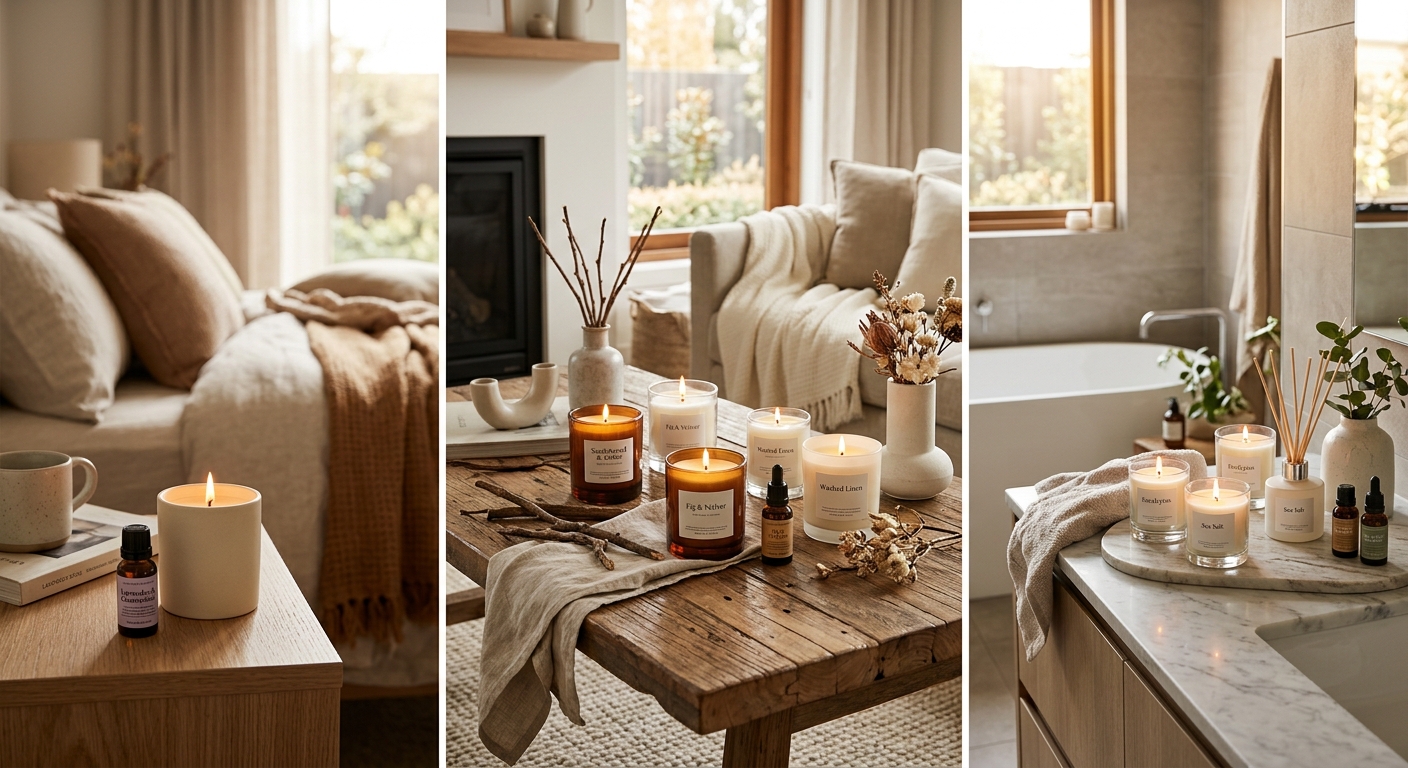
Aromatherapy is the practice of using natural plant extracts — essential oils — to promote physical, emotional, and mental well-being. For thousands of years, cultures across the world have used aromatic plants for healing, relaxation, and spiritual ceremonies. Today, aromatherapy has found its place in modern homes through candles, diffusers, and topical oil applications.
How Aromatherapy Works
When you inhale essential oil molecules, they travel through your olfactory nerve directly to the limbic system — the part of your brain that controls emotions, memory, and mood. This is why certain scents can instantly transport you to a specific memory or shift your emotional state. The limbic system also influences heart rate, breathing, and stress levels, which is why aromatherapy has measurable physiological effects.
Key Benefits of Daily Aromatherapy
1. Stress Reduction and Relaxation
Lavender, chamomile, and frankincense are among the most studied essential oils for stress relief. Research shows that inhaling lavender oil can reduce cortisol levels and promote relaxation within minutes. Lighting a lavender candle or diffusing lavender oil before bed can help calm an overactive mind and prepare your body for restful sleep.
2. Improved Sleep Quality
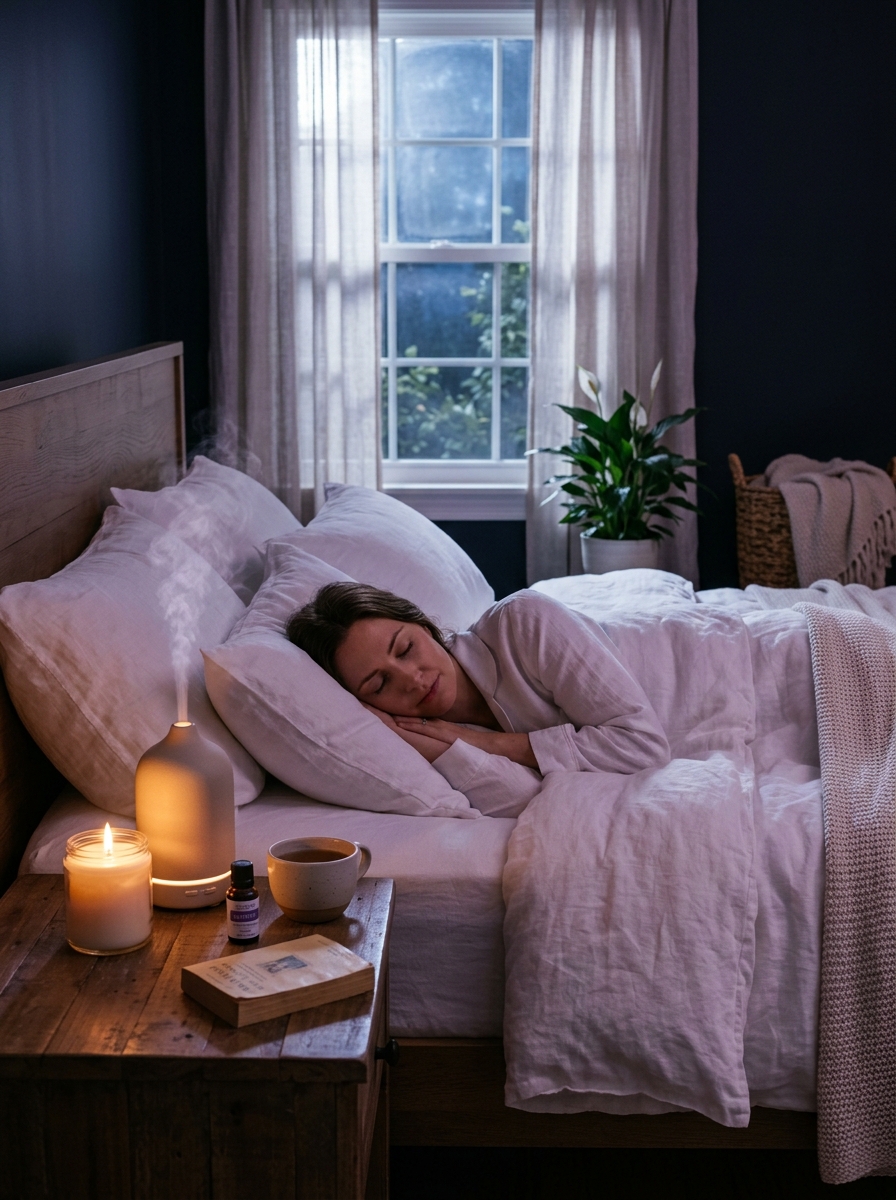
If you struggle with falling asleep or staying asleep, aromatherapy offers a natural alternative to sleep medications. Oils like lavender, bergamot, and cedarwood have sedative properties that help regulate your sleep-wake cycle. Diffusing a calming blend 30 minutes before bedtime signals to your brain that it's time to wind down.
3. Enhanced Focus and Concentration
Not all aromatherapy is about relaxation. Peppermint, rosemary, and lemon oils are known to improve alertness, memory, and cognitive performance. A study published in the International Journal of Neuroscience found that peppermint oil enhanced memory and increased alertness in test subjects. Keep a diffuser at your desk with a focus blend during work hours.
4. Mood Elevation
Citrus oils — sweet orange, lemon, and bergamot — have natural uplifting properties. The bright, fresh scents stimulate serotonin production and can help combat seasonal affective disorder and mild depression. A citrus candle in your kitchen on a grey morning can shift the entire tone of your day.
5. Respiratory Support
Eucalyptus and tea tree oils have antimicrobial and decongestant properties. Diffusing eucalyptus oil during cold season can help clear nasal passages and support respiratory health. Tea tree oil's antibacterial properties make it useful for purifying the air in your home.
How to Incorporate Aromatherapy Into Your Daily Routine
- Morning: Diffuse lemon or peppermint oil while you get ready to boost energy and focus
- Midday: Light a citrus candle in your kitchen or office to combat the afternoon slump
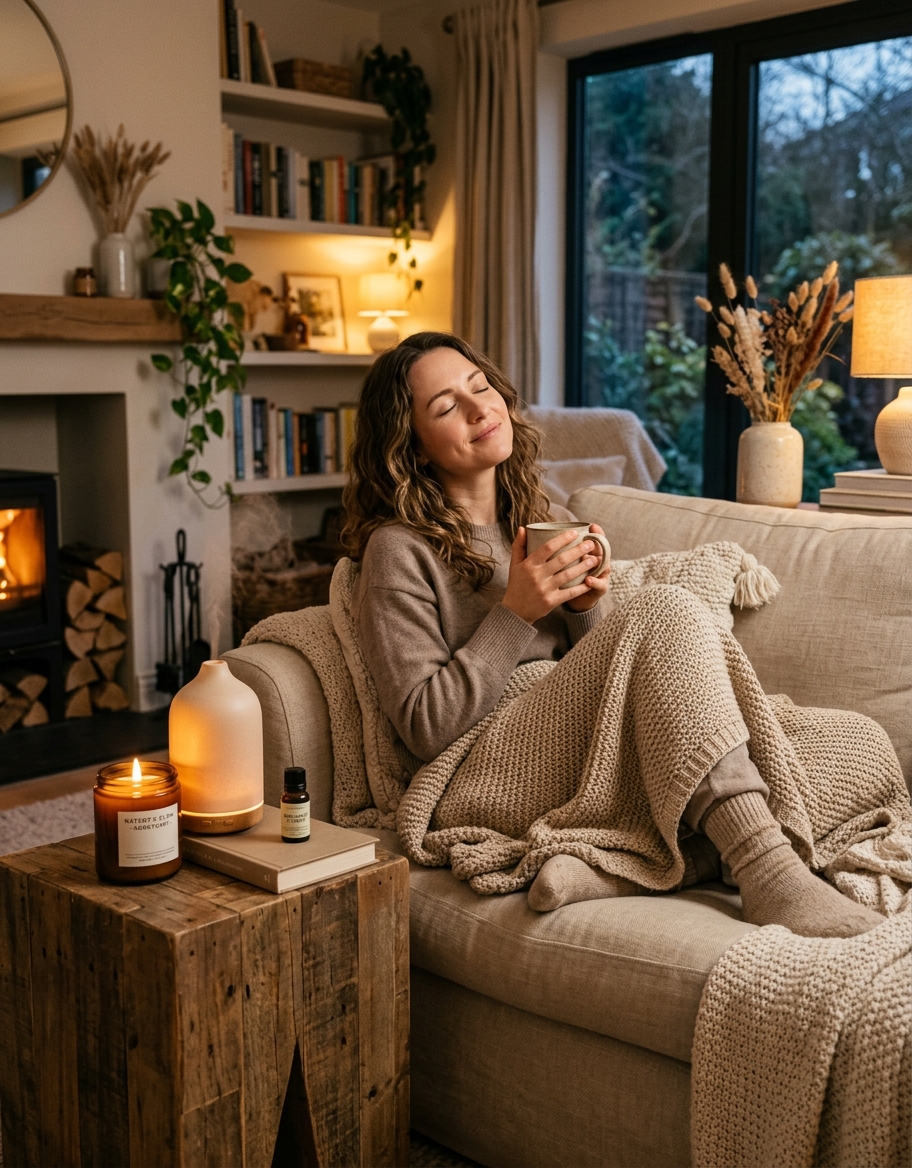
- Evening: Switch to lavender or sandalwood candles to signal your body it's time to relax
- Bedtime: Diffuse a calming sleep blend 30 minutes before lights out
Choosing Quality Aromatherapy Products
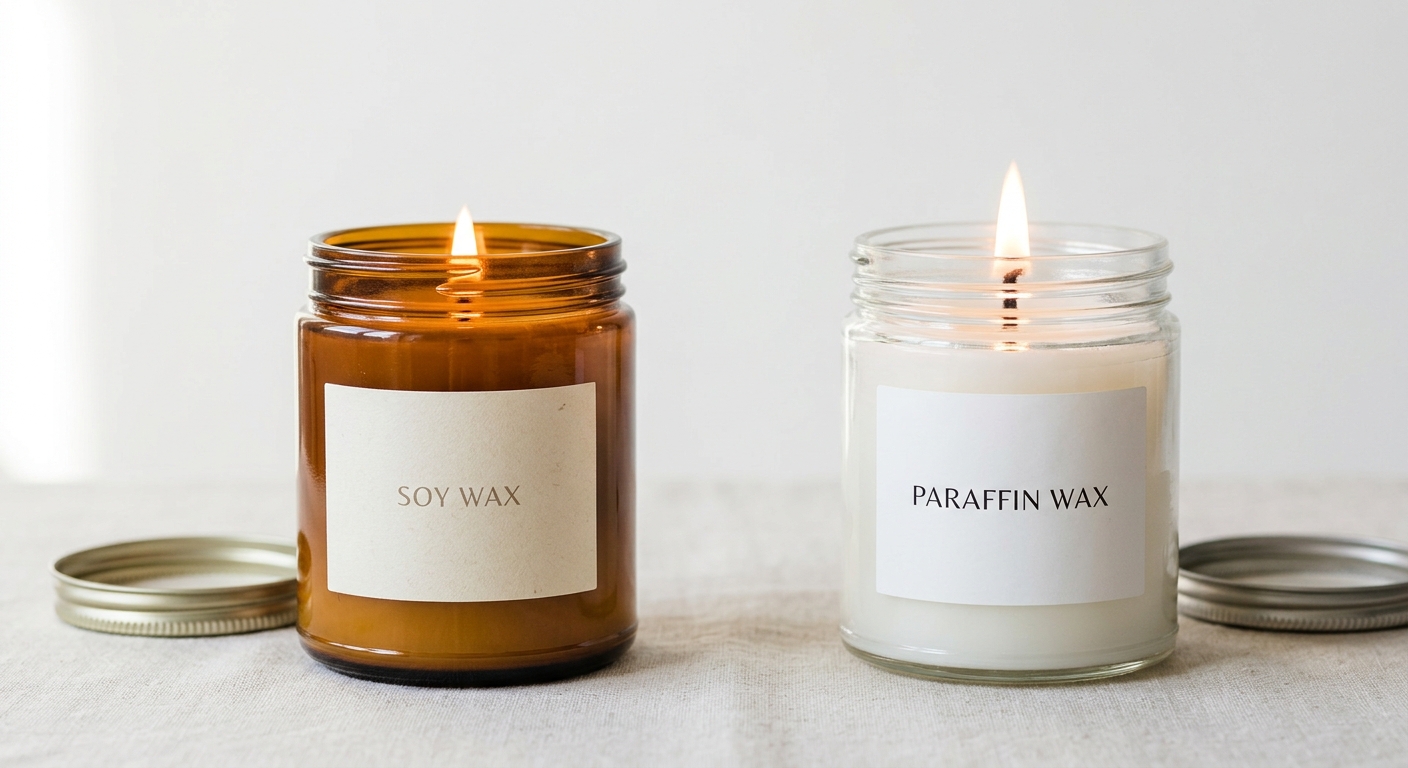
Not all candles and oils are created equal. Look for products made with 100% natural soy wax (not paraffin), pure essential oils (not synthetic fragrances), and cotton wicks. Cheap synthetic candles may smell similar but can release harmful chemicals when burned. Always check ingredient lists and choose products from brands that prioritize transparency and natural materials.
Conclusion
Aromatherapy is one of the simplest, most accessible ways to improve your daily well-being. Whether you're lighting a candle, running a diffuser, or applying diluted oils, the key is consistency. Start with one practice — like a lavender candle before bed — and build from there. Your nose knows what your body needs; you just have to give it the right tools.